The ERP Trap
Value-First Platform.
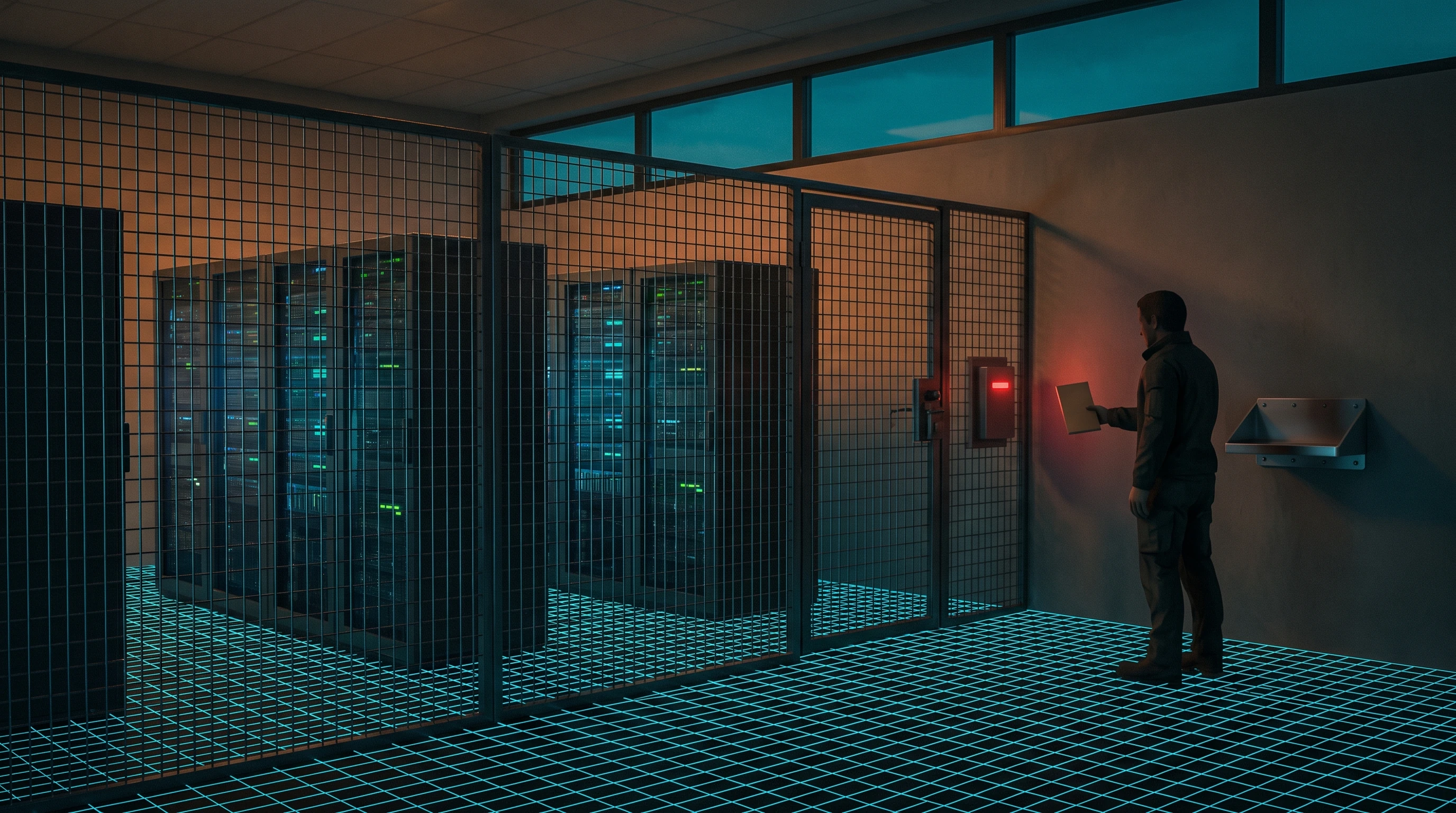
One system was supposed to run this room. Now the room waits on the system.
Building Infrastructure That Empowers
Platforms should enable human capability, not enforce system compliance.
The shift
Compliance → Enablement
From
System-centric (force humans to adapt to software requirements)
To
Human-centric (design systems that adapt to human needs)
Key practices
What it looks like in the work.
- Prioritize user enablement over administrative control
- Integrate naturally rather than forcing data entry
- Design for how people actually work
- Measure platform success by human capability enabled
The room it answers
The ERP Trap.
Operations had wired the structure, and the team had worked inside it without ever touching the logic that made it run.
| The pattern | Believing a single system can run everything. |
| What it costs | The organization's pace of evolution gets set by the ERP's release cadence. AI moves at a different speed. The gap compounds. |
| Where it hurts | Layer 1 — Data, Identity, Context — depth 1 of 5, which is how deep the climb begins. |
| The trapped state | cage — No motion at all. The way up is not slow or exhausting; it is shut. |
| The way up | stairway — Right tool for the right job. Integration over monolith. The ERP is a system of record for a specific scope, not the operating system of the business. |
The horizon
9 more realities stand on the horizon.
Value-First AI
Answers The AI Replacement Trap
Value-First Humans
Answers The Leads Trap
Value-First Communication
Answers The Advertising Trap
Value-First Content
Answers The Lead Magnet Trap
Value-First Partner
Answers The Qualification Trap
Value-First Delivery
Answers The Managed Services Trap
Value-First Measurement
Answers The Measurement Trap
Value-First Culture
Answers The Conformity Trap
Value-First Leadership
Answers The Authority Trap